Revolutionizing the Future: How Edge Devices Are Powering the Next Generation of Smart Technology

Revolutionizing the Future: How Edge Devices Are Powering the Next Generation of Smart Technology
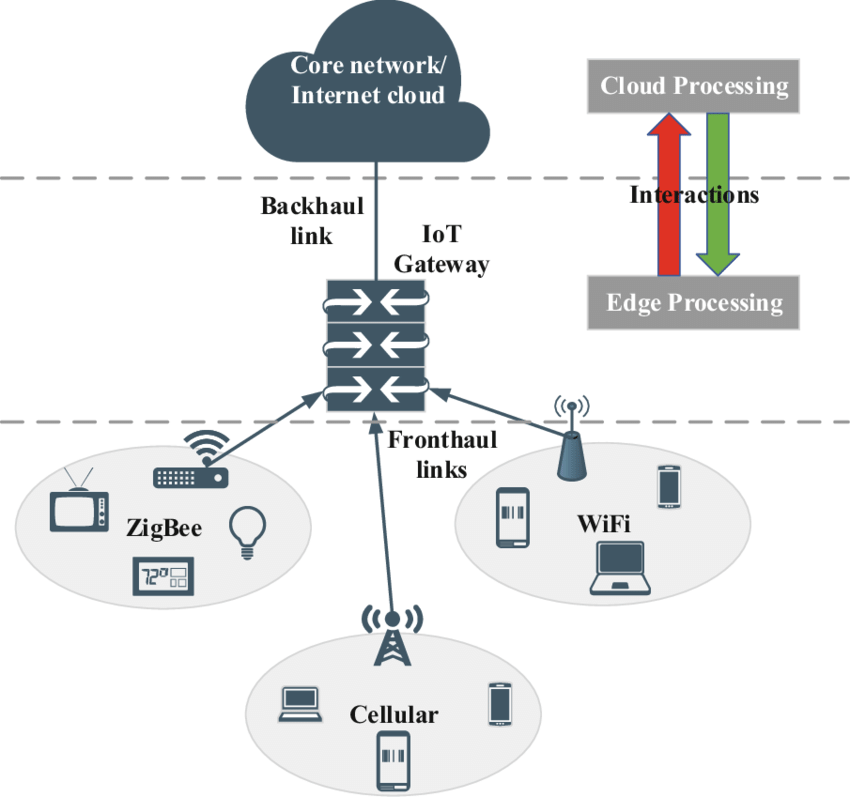
In recent years, edge devices have emerged as a cornerstone of the next generation of smart technology. Unlike traditional cloud-based systems that rely on centralized data processing, edge devices perform computations locally, closer to where data is generated. This shift not only reduces latency but also enhances efficiency, security, and scalability. As industries from healthcare to manufacturing embrace digital transformation, edge computing is playing a pivotal role in shaping a smarter, more responsive future.
The Rise of Edge Computing: A Paradigm Shift
Edge computing represents a fundamental shift in how data is processed. Traditionally, devices would send data to a central cloud server for analysis, a process that could introduce delays and bottlenecks. Edge devices, however, process data locally, enabling real-time decision-making. This is particularly critical for applications where speed is paramount, such as autonomous vehicles, industrial automation, and augmented reality.
According to a report by Gartner, by 2025, over 75% of enterprise-generated data will be processed outside a traditional centralized data center or cloud, up from less than 10% in 2018. This dramatic increase underscores the growing reliance on edge devices as the backbone of modern smart ecosystems.
Key Advantages of Edge Devices
Edge devices offer several compelling advantages over traditional cloud-based systems:
- Reduced Latency: By processing data locally, edge devices minimize the time it takes to receive and act on information, which is crucial for applications requiring instant responses.
- Enhanced Security: Keeping data processing local reduces the risk of exposure during transmission, making it harder for cyber threats to intercept sensitive information.
- Improved Bandwidth Efficiency: Edge computing reduces the need to transmit large volumes of raw data to the cloud, lowering bandwidth usage and associated costs.
- Greater Reliability: Local processing ensures that systems remain operational even in the event of network disruptions, enhancing overall reliability.
- Scalability: Edge devices can be deployed flexibly across various locations, making it easier to scale operations without significant infrastructure investments.
The Role of Edge Devices in Smart Technology
Smart Cities: Building Connected Urban Ecosystems
Smart cities are leveraging edge devices to create more efficient, sustainable, and livable urban environments. Sensors embedded in streetlights, traffic cameras, and waste management systems collect and process data locally, enabling real-time traffic management, energy optimization, and predictive maintenance. For example, smart traffic lights equipped with edge AI can adjust signal timings based on real-time traffic conditions, reducing congestion and emissions.
The global smart city market is projected to reach $820.7 billion by 2025, according to MarketsandMarkets. Edge devices are at the heart of this transformation, enabling cities to harness the power of data while maintaining operational efficiency and security.
Healthcare: Transforming Patient Care with Edge AI
In the healthcare sector, edge devices are revolutionizing patient care by enabling faster diagnoses, personalized treatments, and remote monitoring. Wearable devices equipped with edge AI can analyze health metrics in real-time, alerting healthcare providers to potential issues before they escalate. For instance, wearable ECG monitors can detect irregular heart rhythms and transmit alerts to doctors without relying on a cloud connection.
The integration of edge devices in healthcare not only improves patient outcomes but also reduces the burden on centralized systems. During the COVID-19 pandemic, edge-enabled telemedicine platforms allowed doctors to monitor patients remotely, minimizing physical contact while ensuring continuous care.
Manufacturing: The Fourth Industrial Revolution
The manufacturing industry is undergoing a digital revolution, driven in part by the adoption of edge devices. Smart factories use edge computing to monitor equipment health, predict maintenance needs, and optimize production lines. Sensors embedded in machinery collect data on performance, temperature, and vibration, which edge devices analyze to detect anomalies and trigger maintenance actions.
This approach, known as predictive maintenance, reduces downtime and extends the lifespan of equipment. According to a study by Deloitte, predictive maintenance can reduce maintenance costs by 25-30% and eliminate breakdowns by 70%. Edge devices are making this possible by providing real-time insights without the need for constant cloud connectivity.
Retail: Enhancing Customer Experiences
Retailers are increasingly turning to edge devices to enhance customer experiences and streamline operations. Smart shelves equipped with weight sensors and RFID tags can track inventory levels in real-time, automatically alerting staff when restocking is needed. Facial recognition technology powered by edge AI enables personalized marketing, where digital displays adapt content based on the demographics of shoppers in the store.
Additionally, edge devices in retail reduce the risk of data breaches by processing transactions locally, ensuring that sensitive customer information remains secure. The global smart retail market is expected to reach $58.9 billion by 2025, with edge computing playing a central role in this growth.
Challenges and Considerations in Edge Device Deployment
While edge devices offer numerous benefits, their deployment is not without challenges. Organizations must address several key considerations to ensure successful implementation:
- Security Concerns: Edge devices are often deployed in remote or unsecured locations, making them potential targets for cyberattacks. Robust security measures, such as encryption and authentication protocols, are essential to protect against threats.
- Interoperability: Edge devices must be compatible with existing systems and protocols to ensure seamless integration. Standardization efforts, such as the Edge Computing Consortium, are working to address this issue.
- Power Consumption: Many edge devices operate on battery power or limited energy sources. Optimizing power consumption while maintaining performance is a critical challenge, particularly for IoT devices in remote locations.
- Data Management: While edge devices reduce the need for cloud processing, they still generate vast amounts of data. Effective data management strategies are required to store, analyze, and act on this data efficiently.
- Regulatory Compliance: Different industries face varying regulatory requirements for data processing and storage. Organizations must ensure that their edge deployments comply with relevant laws, such as GDPR in Europe or HIPAA in the healthcare sector.
The Future of Edge Devices: Trends and Innovations
Advancements in AI and Machine Learning
The integration of artificial intelligence (AI) and machine learning (ML) with edge devices is poised to unlock new possibilities. Edge AI enables devices to perform complex computations locally, reducing reliance on cloud-based AI models. This is particularly beneficial for applications requiring real-time analysis, such as autonomous vehicles and industrial robots.
Companies like NVIDIA and Intel are developing specialized hardware, such as edge AI chips, to support these advancements. These chips are designed to deliver high-performance computing while consuming minimal power, making them ideal for edge deployments.
5G and the Edge
The rollout of 5G networks is set to accelerate the adoption of edge devices by providing faster, more reliable connectivity. 5G’s low latency and high bandwidth capabilities enable edge devices to communicate and process data with unprecedented speed. This is particularly valuable for applications such as augmented reality (AR), virtual reality (VR), and autonomous systems.
According to a report by Ericsson, 5G will enable the connection of up to 1 billion IoT devices by 2023, many of which will rely on edge computing to function effectively. The convergence of 5G and edge devices is expected to drive innovation across industries, from smart transportation to immersive entertainment.
Sustainability and Green Computing
As the demand for edge devices grows, so does the need for sustainable and energy-efficient solutions. Green computing initiatives aim to reduce the environmental impact of edge deployments by optimizing power consumption and using renewable energy sources. Companies are exploring innovative solutions, such as solar-powered edge nodes and energy-harvesting technologies, to make edge devices more eco-friendly.
The push toward sustainability is not only environmentally responsible but also economically beneficial. By reducing energy costs and minimizing e-waste, organizations can achieve long-term savings while contributing to a greener future.
Conclusion: Embracing the Edge for a Smarter Tomorrow
Edge devices are more than just a technological trend; they represent a fundamental shift in how we process and interact with data. By moving computation closer to the source, edge devices enable real-time decision-making, enhanced security, and greater efficiency across industries. As advancements in AI, 5G, and sustainability continue to unfold, the potential of edge computing will only grow.
The future of smart technology lies in the seamless integration of edge devices with cloud and on-premises systems. Organizations that embrace this transformation will be well-positioned to lead the next wave of innovation, creating smarter, more connected, and sustainable ecosystems. The revolution is here, and edge devices are at its core.