Navigating the Next Frontier: How Edge Networks Are Reshaping the Digital Landscape
Navigating the Next Frontier: How Edge Networks Are Reshaping the Digital Landscape

Navigating the Next Frontier: How Edge Networks Are Reshaping the Digital Landscape
In an era where digital transformation is accelerating at an unprecedented pace, one of the most transformative trends reshaping the technological landscape is the rise of edge networks. As the demand for faster, more reliable, and low-latency connectivity grows—driven by the proliferation of IoT devices, 5G adoption, and real-time applications—edge computing has emerged as a critical enabler. Unlike traditional cloud computing, which relies on centralized data centers, edge networks distribute computing power closer to the source of data generation. This shift is not just a technological evolution; it is a fundamental reimagining of how digital infrastructure is designed and deployed.
The implications of this transformation extend far beyond faster downloads or smoother streaming. Edge networks are redefining industries, enabling innovations in autonomous vehicles, smart cities, telemedicine, and industrial automation. By processing data locally, edge computing reduces latency, enhances privacy, and improves operational efficiency. However, this new frontier also presents challenges in scalability, security, and interoperability. To fully harness the potential of edge networks, organizations must navigate a complex ecosystem of technologies, partnerships, and regulatory considerations.
This article explores the rise of edge networks, their key drivers, applications across industries, and the challenges and opportunities they present. We will delve into how businesses and governments are leveraging edge computing to build the next generation of digital infrastructure and what the future holds for this rapidly evolving field.
—
The Evolution of Edge Networks: From Concept to Reality
Understanding Edge Computing: A Paradigm Shift
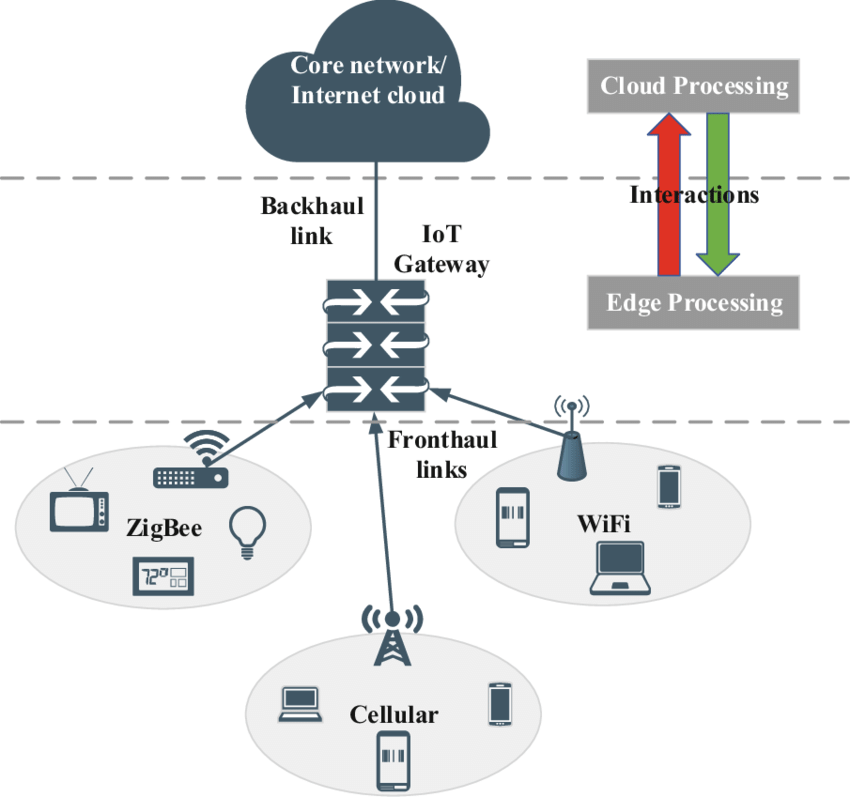
At its core, edge computing represents a departure from the traditional cloud-centric model. In a cloud architecture, data is sent to a remote data center for processing, which can introduce significant latency—especially for applications requiring real-time responses. Edge computing, on the other hand, moves computation and data storage closer to where the data is generated, often at the “edge” of the network, such as a local server, gateway, or even a user’s device.
This decentralized approach offers several key advantages:
- Reduced Latency: By processing data locally, edge networks minimize the time it takes to transmit information to a central server and back, making them ideal for applications like autonomous driving, augmented reality, and industrial robotics.
- Bandwidth Efficiency: Edge computing reduces the volume of data that needs to be sent to the cloud, lowering bandwidth costs and alleviating congestion on network infrastructure.
- Enhanced Privacy and Security: Sensitive data can be processed and analyzed locally, reducing exposure to potential cyber threats and ensuring compliance with data protection regulations.
- Improved Reliability: Decentralized networks are more resilient to outages, as the failure of one node does not necessarily disrupt the entire system.
The Role of 5G and IoT in Driving Edge Adoption
The widespread rollout of 5G technology has been a major catalyst for the growth of edge networks. 5G’s ultra-low latency and high bandwidth capabilities make it possible to support applications that were previously infeasible, such as remote surgery, smart traffic management, and immersive virtual reality experiences. When combined with the Internet of Things (IoT), which generates vast amounts of data from sensors and devices, edge computing provides the necessary infrastructure to process and act on this data in real time.
For example, in a smart factory, IoT sensors monitor equipment performance and environmental conditions. Instead of sending all this data to a distant cloud server, edge devices analyze it locally to detect anomalies or predict maintenance needs. This not only speeds up decision-making but also reduces the load on central systems.
Similarly, in the healthcare sector, wearable devices and remote monitoring systems rely on edge computing to process patient data quickly and securely, enabling timely interventions without the need for constant cloud connectivity.
—
Industry Applications: How Edge Networks Are Transforming Sectors
Autonomous Vehicles and Transportation
The development of autonomous vehicles (AVs) hinges on the ability to process vast amounts of data in real time. Self-driving cars rely on sensors, cameras, and radar to navigate their surroundings, but the sheer volume of data generated is overwhelming for traditional cloud systems. Edge computing provides the solution by enabling on-board processing, where vehicles analyze data locally to make split-second decisions about braking, lane changes, and obstacle avoidance.
Companies like Tesla, Waymo, and traditional automakers are integrating edge computing into their AV platforms to enhance safety, reduce dependency on cloud connectivity, and improve overall performance. Beyond passenger vehicles, edge networks are also transforming logistics and fleet management by enabling real-time tracking, route optimization, and predictive maintenance.
Smart Cities and Urban Development
Urbanization is placing immense pressure on cities to become more efficient, sustainable, and livable. Edge networks are at the heart of the smart city revolution, enabling municipalities to deploy intelligent systems for traffic management, energy distribution, waste management, and public safety.
For instance, smart traffic lights equipped with edge devices can analyze real-time traffic patterns and adjust signal timings dynamically to reduce congestion. Similarly, smart grids use edge computing to monitor energy consumption, detect outages, and optimize power distribution, leading to more resilient and sustainable energy systems.
In public safety, edge-enabled surveillance cameras and gunshot detection systems can process and analyze footage locally, alerting authorities to incidents without the need for constant cloud communication. This not only improves response times but also addresses privacy concerns by minimizing the transmission of sensitive data.
Healthcare and Telemedicine
The healthcare industry stands to benefit immensely from edge computing, particularly in the realms of telemedicine, remote patient monitoring, and personalized medicine. Edge devices such as wearables, implantable sensors, and portable diagnostic tools can collect and analyze health data locally, providing immediate insights to both patients and healthcare providers.
For example, a patient with a chronic condition like diabetes can use a continuous glucose monitor that processes data on the device itself, alerting them to dangerous blood sugar levels without the need to transmit data to a distant server. In emergency situations, edge-enabled ambulances can transmit critical patient data to hospitals in real time, ensuring faster and more accurate treatment.
Moreover, edge computing is facilitating advancements in medical imaging and diagnostics. AI-powered devices at the edge can analyze MRI or X-ray images locally, reducing the time required for diagnosis and enabling quicker treatment decisions.
Manufacturing and Industrial Automation
Industry 4.0, or the fourth industrial revolution, is characterized by the integration of digital technologies into manufacturing processes. Edge computing is a cornerstone of this transformation, enabling factories to become smarter, more efficient, and more adaptive.
In a smart factory, edge devices such as programmable logic controllers (PLCs) and industrial PCs monitor production lines in real time. They analyze data from sensors to detect defects, predict equipment failures, and optimize workflows. This predictive maintenance approach reduces downtime and extends the lifespan of machinery, leading to significant cost savings.
Additionally, edge networks support the deployment of collaborative robots (cobots) that work alongside human workers, enhancing productivity and safety. By processing data locally, these robots can respond to changes in their environment more quickly and accurately.
Retail and Customer Experience
The retail sector is leveraging edge computing to create more personalized and seamless shopping experiences. Smart shelves equipped with sensors and cameras can track inventory levels in real time, automatically alerting staff when restocking is needed. Edge devices can also analyze customer behavior, such as dwell time and product interactions, to provide personalized recommendations and targeted promotions.
In the era of cashier-less stores like Amazon Go, edge computing enables real-time tracking of purchases through computer vision and sensor fusion, allowing customers to walk in, grab what they need, and leave without stopping at a checkout counter. This not only enhances convenience but also reduces operational costs for retailers.
Furthermore, edge networks are being used to improve supply chain visibility. By embedding sensors and edge devices in shipments, companies can monitor the condition and location of goods in transit, ensuring timely deliveries and reducing the risk of loss or damage.
—
Challenges and Considerations in Deploying Edge Networks
Scalability and Infrastructure Complexity
While edge computing offers numerous benefits, deploying and managing edge networks at scale presents significant challenges. Unlike centralized cloud systems, edge networks consist of a vast number of distributed nodes, each with its own hardware, software, and connectivity requirements. This complexity can lead to issues in standardization, interoperability, and maintenance.
Organizations must invest in robust infrastructure to support edge deployments, including edge servers, gateways, and networking equipment. Additionally, managing a large number of edge devices—often located in remote or harsh environments—requires advanced monitoring and management tools to ensure reliability and security.
Security and Privacy Concerns
The decentralized nature of edge networks introduces new security vulnerabilities. With data being processed and stored at multiple locations, the attack surface expands, making it more challenging to protect against cyber threats. Edge devices, which often have limited processing power and memory, may not have the same level of security features as traditional servers, making them attractive targets for hackers.
To mitigate these risks, organizations must implement a multi-layered security approach, including encryption, authentication, and intrusion detection systems. Regular software updates and patch management are also critical to addressing vulnerabilities as they arise. Furthermore, compliance with data protection regulations, such as GDPR in Europe or CCPA in California, requires careful consideration of where and how data is processed and stored.
Interoperability and Standards
The edge computing ecosystem is still in its early stages, and the lack of standardized protocols and frameworks can hinder seamless integration across different devices and platforms. Companies may find themselves locked into proprietary solutions, limiting flexibility and increasing costs. To address this, industry consortia and standards bodies, such as the Edge Computing Consortium (ECC) and the Open Edge Computing Initiative, are working to develop common frameworks and best practices.
Adopting open standards and APIs can help ensure that edge devices from different manufacturers can communicate and collaborate effectively. Additionally, cloud providers are increasingly offering edge computing services, such as AWS IoT Greengrass and Microsoft Azure IoT Edge, which provide pre-built solutions to simplify deployment and management.
Cost and ROI Considerations
Deploying edge networks requires significant upfront investment in hardware, software, and networking infrastructure. For many organizations, especially small and medium-sized businesses, the cost of implementing edge computing can be prohibitive. Additionally, the return on investment (ROI) may not be immediately apparent, as the benefits of edge computing—such as reduced latency and improved operational efficiency—are often intangible in the short term.
To justify these costs, organizations must carefully evaluate their use cases and prioritize projects with clear ROI potential. Partnering with technology providers that offer scalable and cost-effective solutions can also help mitigate financial risks. In some cases, leveraging hybrid cloud-edge architectures can provide a balance between centralized and distributed computing, allowing organizations to scale their edge deployments gradually.
—
The Future of Edge Networks: Opportunities and Emerging Trends
AI and Machine Learning at the Edge
One of the most exciting frontiers in edge computing is the integration of artificial intelligence (AI) and machine learning (ML) at the edge. By running AI models locally, edge devices can make intelligent decisions in real time without relying on cloud-based processing. This is particularly valuable for applications where latency is critical, such as autonomous vehicles, predictive maintenance, and fraud detection.
Advancements in edge AI are being driven by improvements in hardware, such as more powerful and energy-efficient processors, and software, including lightweight AI frameworks like TensorFlow Lite and ONNX Runtime. These tools enable developers to deploy AI models on edge devices with minimal latency and resource consumption.
The combination of edge computing and AI is also unlocking new possibilities in fields like healthcare, where AI-powered diagnostic tools can analyze medical images or patient data locally, and agriculture, where drones equipped with edge AI can monitor crop health and optimize irrigation schedules.
Edge-Cloud Synergy: The Rise of Hybrid Architectures
While edge computing is transforming industries, it is not a replacement for cloud computing but rather a complementary technology. The future of digital infrastructure lies in hybrid architectures that seamlessly integrate edge and cloud resources. This approach allows organizations to leverage the strengths of both models—edge computing for real-time processing and cloud computing for large-scale data storage and advanced analytics.
For example, a smart factory might use edge devices to monitor production lines in real time, while sending aggregated data to the cloud for long-term analysis and trend forecasting. Similarly, in healthcare, edge devices can process patient data locally for immediate insights, while cloud systems store historical records for research and compliance purposes.
Hybrid architectures also enable organizations to dynamically allocate resources based on workload demands. During peak periods, edge devices can handle critical processing tasks, while less time-sensitive workloads are offloaded to the cloud. This flexibility ensures optimal performance and cost efficiency.
Sustainability and Green Edge Computing
As the digital landscape continues to expand, the environmental impact of computing infrastructure has become a growing concern. Data centers, which power cloud computing, consume vast amounts of energy and contribute to carbon emissions. Edge computing offers a more sustainable alternative by reducing the need for data transmission and enabling more efficient data processing.
However, the sustainability of edge networks depends on several factors, including the energy efficiency of edge devices, the use of renewable energy sources, and the optimization of hardware and software to minimize power consumption. Companies like NVIDIA and Intel are developing energy-efficient processors specifically designed for edge applications, while research into low-power computing techniques is gaining momentum.
Moreover, edge computing can support green initiatives in other sectors. For instance, smart grids powered by edge networks can optimize energy distribution, reducing waste and lowering emissions. In agriculture, edge-enabled precision farming can minimize water and fertilizer usage, promoting sustainable practices.
Regulatory and Ethical Considerations
The decentralized nature of edge networks presents unique regulatory and ethical challenges. Governments and policymakers are grappling with how to regulate data processing at the edge, particularly in cross-border scenarios where data may be collected and processed in multiple jurisdictions. Issues such as data sovereignty, privacy, and accountability require clear frameworks to ensure that edge computing is deployed responsibly and ethically.
Ethical considerations also arise in applications like surveillance and AI-driven decision-making. For example, edge-enabled facial recognition systems raise concerns about privacy and potential misuse. To address these challenges, organizations must adopt transparent and accountable practices, including clear data governance policies and ethical AI guidelines.
Collaboration between industry, academia, and regulators will be essential to developing standards and policies that foster innovation while protecting individual rights and societal values.
—
Navigating the Edge: Strategies for Businesses and Governments
Assessing Readiness and Identifying Use Cases
Before embarking on an edge computing initiative, organizations must assess their readiness and identify the most promising use cases. This involves evaluating current infrastructure, technological capabilities, and business objectives. Key questions to consider include:
- What are the primary pain points in your operations that edge computing could address?
- Which applications or processes would benefit most from reduced latency and real-time processing?
- Do you have the necessary hardware, software, and networking infrastructure to support edge deployments?
- What are the potential risks and challenges associated with edge computing in your industry?
Conducting a pilot project or proof of concept can help organizations test the feasibility of edge solutions and gather insights before scaling up. Partnering with technology providers that specialize in edge computing can also provide valuable guidance and resources.
Building a Robust Edge Ecosystem
Successful edge deployments require a collaborative ecosystem that includes technology providers, cloud partners, system integrators, and industry stakeholders. Organizations should look for partners that offer:
- End-to-End Solutions: Providers that offer integrated hardware, software, and connectivity solutions can simplify deployment and management.
- Scalability and Flexibility: Partners that support modular and scalable architectures can help organizations adapt to changing demands.
- Security and Compliance: Vendors that prioritize security and offer compliance-ready solutions can help mitigate risks.
- Support and Maintenance: Reliable technical support and maintenance services are critical for ensuring the long-term success of edge deployments.
Additionally, organizations should invest in training and upskilling their workforce to manage and optimize edge networks effectively.
Investing in Innovation and R&D
The edge computing landscape is evolving rapidly, with new technologies and solutions emerging regularly. To stay ahead of the curve, organizations must invest in research and development (R&D) to explore innovative applications and improve existing solutions. This could involve collaborating with universities, startups, or research institutions to drive advancements in edge AI, energy efficiency, and security.
Participating in industry consortia and standards bodies can also provide organizations with a voice in shaping the future of edge computing and staying informed about emerging trends and best practices.
Policy and Partnerships for Smart Regulation
For governments and policymakers, fostering the growth of edge networks requires a balanced approach that encourages innovation while addressing regulatory and ethical concerns. Key strategies include:
- Developing Clear Regulatory Frameworks: Establishing guidelines for data processing, privacy, and security at the edge can provide certainty for businesses and protect consumer rights.
- Promoting Digital Infrastructure: Investing in broadband connectivity, particularly in underserved or rural areas, can help ensure that edge networks are accessible to all.
- Encouraging Public-Private Partnerships: Collaborating with technology companies, academia, and civil society can accelerate the development and deployment of edge solutions.
- Supporting Pilot Projects: Funding and promoting pilot programs in sectors like healthcare, smart cities, and manufacturing can demonstrate the value of edge computing and drive adoption.
—
Conclusion: Embracing the Edge for a Smarter, Faster, and More Sustainable Future
Edge networks are more than just a technological trend; they represent a fundamental shift in how digital infrastructure is designed and deployed. By bringing computation closer to the source of data generation, edge computing is enabling real-time processing, reducing latency, and unlocking new possibilities across industries. From autonomous vehicles and smart cities to healthcare and manufacturing, edge networks are reshaping the digital landscape in profound ways.
However, the journey to fully realize the potential of edge computing is not without its challenges. Organizations must navigate issues related to scalability, security, interoperability, and cost while ensuring that their deployments align with regulatory and ethical standards. Success in this space requires a strategic approach, collaboration with the right partners, and a commitment to innovation.
As we look to the future, the integration of edge computing with AI, cloud, and other emerging technologies will continue to drive progress. The result will be a digital infrastructure that is not only faster and more efficient but also more sustainable and inclusive. For businesses and governments alike, embracing the edge is not just an option—it is a necessity for staying competitive in an increasingly connected world.
The next frontier of digital transformation is here, and edge networks are leading the way. By understanding the opportunities and challenges they present, organizations can position themselves at the forefront of this revolution, shaping a future where technology serves as a catalyst for progress, innovation, and societal well-being.