Redefining Connectivity: How Edge Networks Are Reshaping the Future of the Digital World

Redefining Connectivity: How Edge Networks Are Reshaping the Future of the Digital World
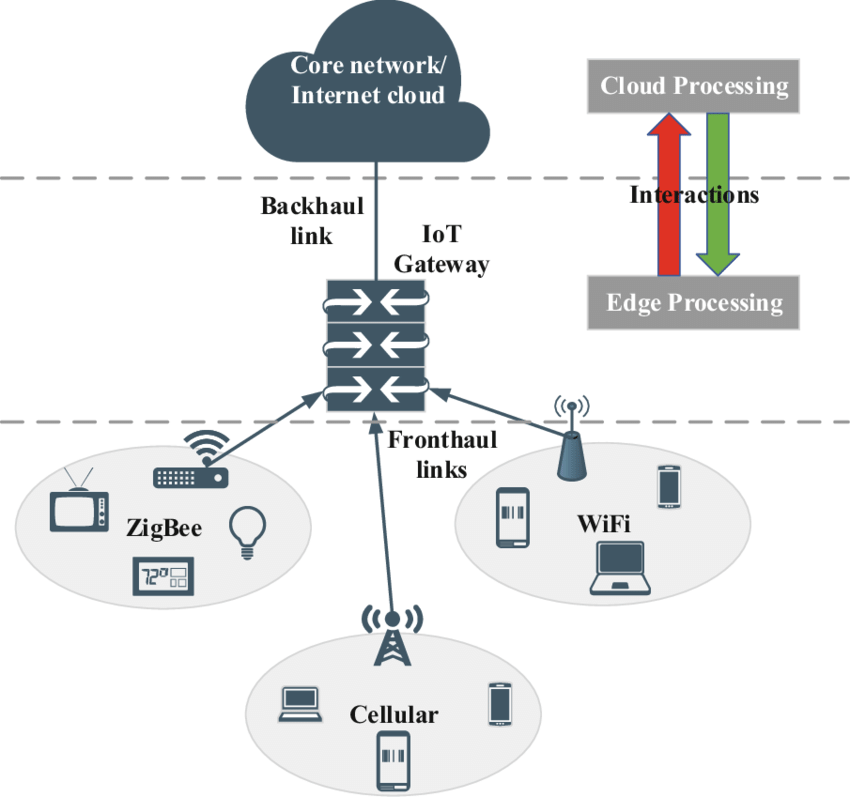
The digital landscape is undergoing a transformative shift, driven by the rise of edge networks. Unlike traditional cloud computing, which centralizes data processing in remote servers, edge networks bring computation closer to the source of data—right at the edge of the network. This decentralization is not just an evolution; it’s a revolution that promises to redefine connectivity, efficiency, and user experiences across industries. From autonomous vehicles to smart cities and immersive augmented reality (AR) applications, edge networks are at the heart of the next generation of digital innovation.
The Evolution of Connectivity: From Cloud to Edge
For decades, cloud computing has been the backbone of digital operations, offering scalability, storage, and processing power. However, as the volume of data generated by IoT devices, sensors, and user interactions skyrockets, the limitations of cloud-centric architectures are becoming apparent. Latency, bandwidth constraints, and security concerns have prompted a search for alternatives. Enter edge networks—a paradigm shift that moves data processing closer to where it’s generated, reducing delays and enhancing real-time capabilities.
Edge networks operate on a distributed model, where processing happens at local nodes or “edges” rather than in a far-off data center. This proximity minimizes the distance data must travel, slashing latency from milliseconds to microseconds. For applications requiring instantaneous responses—such as industrial automation, remote surgery, or live streaming—this speed is non-negotiable. The transition from cloud to edge is not about replacing one model with another but about creating a hybrid ecosystem where both coexist, each serving distinct purposes based on need.
Key Drivers Behind the Rise of Edge Networks
The adoption of edge networks is fueled by several critical factors that align with the demands of modern digital ecosystems:
- Exponential Data Growth: The proliferation of IoT devices, from smart thermostats to wearable health monitors, has led to an explosion of data. Traditional cloud models struggle to handle this volume efficiently, making edge networks a logical solution.
- Demand for Real-Time Processing: Industries like finance, healthcare, and manufacturing require instant decision-making. Edge networks enable real-time analytics by processing data locally, eliminating the lag associated with sending information to the cloud and back.
- Bandwidth Optimization: Transmitting vast amounts of raw data to the cloud consumes significant bandwidth, leading to congestion and higher costs. Edge computing filters and processes data locally, sending only relevant insights to the cloud, thus optimizing network resources.
- Enhanced Security and Privacy: By keeping sensitive data closer to its source, edge networks reduce exposure to potential cyber threats during transmission. This is particularly crucial for sectors handling confidential information, such as finance and healthcare.
- Cost Efficiency: While edge infrastructure requires investment, it can reduce operational costs by minimizing cloud storage and bandwidth expenses. Organizations pay only for the processing power they use locally, rather than for massive centralized data centers.
Industries Transformed by Edge Networks
The impact of edge networks spans multiple sectors, each leveraging its capabilities to drive innovation and efficiency:
Autonomous Vehicles and Smart Transportation
Self-driving cars rely on split-second decision-making to navigate roads safely. Edge networks enable vehicles to process data from sensors, cameras, and GPS systems in real time, without relying on a distant server. This reduces reaction times and enhances safety, making autonomous driving a tangible reality. Smart traffic systems and vehicle-to-everything (V2X) communication also benefit from edge computing, optimizing traffic flow and reducing congestion.
Healthcare and Telemedicine
In healthcare, edge networks are revolutionizing patient care through remote monitoring, diagnostics, and even surgery. Wearable devices equipped with edge computing can analyze vital signs in real time, alerting healthcare providers to anomalies before they escalate. During the COVID-19 pandemic, telemedicine platforms leveraged edge networks to deliver low-latency consultations, ensuring seamless interactions between patients and doctors. Additionally, edge-powered robotic surgery systems allow for precision operations with minimal delay.
Manufacturing and Industry 4.0
The Fourth Industrial Revolution, or Industry 4.0, thrives on smart factories where machines communicate and adapt autonomously. Edge networks enable predictive maintenance by analyzing data from sensors embedded in equipment, identifying potential failures before they occur. This minimizes downtime and extends the lifespan of machinery. Additionally, edge computing supports digital twins—virtual replicas of physical systems—allowing manufacturers to simulate and optimize processes in real time.
Retail and Customer Experience
Retailers are harnessing edge networks to create personalized, frictionless shopping experiences. Smart shelves equipped with sensors track inventory levels and customer interactions, while edge-powered AI analyzes purchasing patterns to offer tailored recommendations. In-store digital assistants use edge computing to provide instant support, reducing wait times and enhancing customer satisfaction. Augmented reality (AR) mirrors, which overlay virtual clothing onto shoppers, also rely on edge networks to deliver seamless, real-time visualizations.
Entertainment and Gaming
The gaming industry is another beneficiary of edge networks, particularly with the rise of cloud gaming and AR/VR experiences. Services like Xbox Cloud Gaming and NVIDIA GeForce NOW leverage edge servers to reduce latency, ensuring smooth gameplay even in high-latency environments. AR applications, such as Pokémon GO, use edge computing to overlay digital elements onto the real world in real time, creating immersive experiences that were previously unimaginable.
Challenges and Considerations in Edge Network Deployment
While the potential of edge networks is immense, their deployment is not without challenges. Organizations must navigate a complex landscape of technical, operational, and strategic hurdles:
- Infrastructure Complexity: Building an edge network requires a distributed architecture with multiple nodes, each capable of processing data locally. This demands significant investment in hardware, software, and maintenance.
- Security Risks: Distributed networks introduce new vulnerabilities, as each edge node becomes a potential entry point for cyberattacks. Robust security protocols, including encryption and zero-trust frameworks, are essential to mitigate risks.
- Standardization and Interoperability: The lack of universal standards for edge computing can lead to fragmentation. Organizations must ensure compatibility between devices, platforms, and protocols to avoid siloed systems.
- Data Management: Decentralized processing complicates data governance, as information is spread across multiple locations. Clear policies for data storage, retention, and sharing are critical to maintain compliance and efficiency.
- Talent Shortages: The specialized skills required to design, deploy, and manage edge networks are in high demand but short supply. Companies must invest in training and partnerships to build the necessary expertise.
The Future of Edge Networks: Trends and Predictions
The trajectory of edge networks points toward even greater integration and sophistication. Several trends are poised to shape the future of this technology:
Convergence with 5G and 6G
The rollout of 5G networks has been a game-changer for edge computing, offering ultra-low latency and high bandwidth. As 6G emerges, with its promise of even faster speeds and more reliable connections, the synergy between edge networks and next-generation wireless technologies will intensify. This convergence will enable applications that were once deemed futuristic, such as holographic communication and fully autonomous cities.
AI and Machine Learning at the Edge
Artificial intelligence (AI) and machine learning (ML) are becoming integral to edge networks, enabling intelligent data processing at the source. Edge AI allows devices to make decisions without relying on the cloud, reducing latency and bandwidth usage. For example, smart cameras with edge AI can detect intrusions in real time, while industrial sensors can predict equipment failures before they happen. The fusion of AI and edge computing will drive autonomous systems across industries.
Sustainability and Green Edge Computing
As digital transformation accelerates, so does the need for sustainable practices. Edge networks can contribute to environmental goals by reducing the carbon footprint associated with data transmission and centralized data centers. By processing data locally, edge networks minimize energy consumption and optimize resource usage. Innovations in green computing, such as energy-efficient hardware and renewable-powered edge nodes, will further enhance sustainability.
Edge-as-a-Service (EaaS)
Similar to cloud services, Edge-as-a-Service (EaaS) is emerging as a model where organizations can rent edge computing resources on demand. This lowers the barrier to entry for businesses that lack the capital or expertise to build their own edge infrastructure. EaaS providers offer scalable solutions tailored to specific needs, from retail analytics to industrial automation, making edge computing accessible to a broader range of industries.
Getting Started with Edge Networks: A Practical Guide
For businesses looking to adopt edge networks, a strategic approach is essential. Here’s a step-by-step guide to navigating the transition:
- Assess Your Needs: Identify the specific use cases where edge computing can deliver value. Consider factors like latency requirements, data volume, and real-time processing needs.
- Choose the Right Architecture: Decide between a fully distributed edge model or a hybrid approach that combines edge and cloud. Evaluate whether a private, public, or multi-cloud edge strategy aligns with your goals.
- Invest in Hardware and Software: Select edge devices, servers, and platforms that support your requirements. Consider factors like processing power, storage capacity, and compatibility with existing systems.
- Prioritize Security: Implement robust security measures, including encryption, authentication, and regular vulnerability assessments. Ensure compliance with industry regulations, such as GDPR or HIPAA.
- Leverage Partnerships: Collaborate with technology providers, cloud vendors, and industry experts to accelerate deployment. Partnerships can offer access to specialized tools and expertise.
- Monitor and Optimize: Continuously track performance metrics, such as latency, throughput, and resource utilization. Use analytics tools to identify areas for improvement and optimize edge operations.
Conclusion: The Edge of Tomorrow
Edge networks are not just a technological advancement; they represent a fundamental shift in how we connect, process, and interact with the digital world. By bringing computation closer to the source of data, edge networks unlock unprecedented speed, efficiency, and innovation. From transforming industries like healthcare and manufacturing to enabling futuristic applications in gaming and AR, the potential of edge computing is boundless.
However, realizing this potential requires overcoming significant challenges, from infrastructure complexity to security risks. Organizations must adopt a strategic, forward-thinking approach to harness the power of edge networks effectively. As 5G, AI, and sustainability trends converge, the future of edge computing looks brighter than ever. The digital world is on the cusp of a connectivity revolution—and edge networks are leading the charge.