Augmented Reality Glasses: The Future of Vision Is Here

Augmented Reality Glasses: The Future of Vision Is Here
Imagine slipping on a pair of glasses that not only correct your vision but also overlay digital information onto the world around you—directions flashing in your field of view, messages appearing as you glance at a colleague, or even virtual art installations blending seamlessly with your environment. This isn’t science fiction; it’s the promise of augmented reality (AR) glasses, a technology that is rapidly transitioning from research labs to mainstream adoption. As hardware becomes lighter, software smarter, and applications more intuitive, AR glasses are poised to redefine how we interact with information, each other, and the spaces we inhabit.
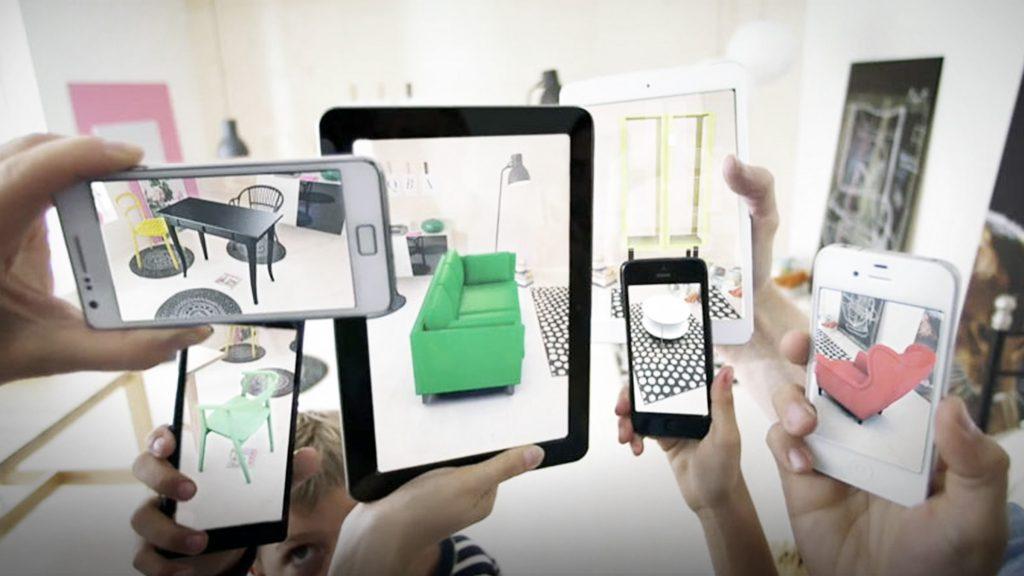
Unlike virtual reality (VR), which immerses users in entirely digital worlds, AR enhances the real world by adding contextual, interactive layers. Smartphones and tablets offer a glimpse of this potential through apps like Pokémon GO or AR shopping filters, but AR glasses promise to deliver these experiences hands-free, directly in your line of sight. From professional workflows to entertainment and social interactions, the implications are vast—and the technology is evolving at an unprecedented pace.
The Evolution of Augmented Reality Glasses
The journey of AR glasses began decades ago with clunky prototypes and limited functionality. Early attempts, like the 1990s “Virtual Retinal Display” concepts or the 2012 Google Glass, were groundbreaking but flawed—heavy, intrusive, and often dismissed as novelties rather than tools. Today, however, advancements in miniaturization, battery life, and display technology have transformed AR glasses into sleek, wearable devices that feel almost indistinguishable from regular eyewear.
Key milestones include:
- Microsoft HoloLens (2016): A pivotal moment for enterprise AR, offering spatial mapping and gesture controls for industries like manufacturing and healthcare.
- Magic Leap One (2018): Pioneered “lightfield” technology for more natural depth perception in AR experiences.
- Ray-Ban Meta Smart Glasses (2023): Merged fashion with functionality, allowing users to take photos, stream audio, and receive notifications discreetly.
- Apple Vision Pro (2024): Though technically a mixed-reality headset, its high-resolution displays and intuitive controls set a new standard for spatial computing.
These innovations reflect a broader shift: AR glasses are no longer about gimmicks but about seamless integration into daily life. The focus is now on refining user experience, improving comfort, and expanding applications beyond niche markets.
How AR Glasses Work: The Technology Behind the Magic
At their core, AR glasses rely on a combination of hardware and software to merge digital and physical realities. Here’s a breakdown of the key components:
1. Optics and Displays
AR glasses use one of two primary display technologies:
- Waveguide Displays: Lightweight and compact, these use microstructures to project images directly onto the retina or a transparent screen. Examples include the waveguide tech in Google Glass and Ray-Ban Meta glasses.
- MicroLED or OLED Screens: Offer higher brightness and contrast but require more power. The Apple Vision Pro employs ultra-high-resolution microdisplays for crisp, immersive visuals.
Some advanced systems, like the HoloLens, use pupillary distance adjustment to ensure the virtual images align correctly with the user’s eyes, reducing eye strain.
2. Sensors and Tracking
To understand the user’s environment and intentions, AR glasses integrate multiple sensors:
- Inertial Measurement Unit (IMU): Tracks head movements and orientation.
- Depth Sensors (LiDAR, Structured Light): Create 3D maps of surroundings for accurate object placement.
- RGB Cameras: Capture real-time video for object recognition and AR overlays.
- Eye Tracking: Monitors gaze direction to enable hands-free interaction (e.g., selecting menu items by looking).
3. Processing Power
AR glasses require powerful onboard processors or tethered computing to render complex graphics in real time. The Apple Vision Pro, for example, uses a custom silicon chip (M2 and R1) to handle spatial computing tasks. Cloud-based processing is also becoming common, offloading heavy computations to remote servers.
4. Connectivity
Modern AR glasses support:
- Wi-Fi 6/6E and 5G for fast data transfer.
- Bluetooth for pairing with smartphones or other devices.
- Ultra-Wideband (UWB) for precise indoor positioning.
5. User Interface
Interaction methods are evolving beyond voice commands and touchpads:
- Gesture Controls: Detect hand movements (e.g., pinching to zoom).
- Voice Assistants: Integration with Siri, Alexa, or Google Assistant.
- Gaze Tracking: Systems like Apple’s Vision Pro allow users to navigate by looking at objects.
- Haptic Feedback: Subtle vibrations confirm user inputs (e.g., tapping the frame).
The result is an interface that feels as natural as interacting with the physical world—because, in many ways, it is.
Industries Being Transformed by AR Glasses
While consumer applications are grabbing headlines, AR glasses are already making waves in professional fields where efficiency, safety, and precision matter. Here’s how industries are integrating this technology:
1. Healthcare
- Surgery Assistance: Surgeons use AR glasses like the HoloLens to overlay patient scans, vital signs, or step-by-step procedure guides directly onto the operating field.
- Medical Training: Students practice procedures on virtual patients with interactive feedback.
- Telemedicine: Doctors can “see” what a patient sees during remote consultations, annotating their view in real time.
2. Manufacturing and Engineering
- Assembly Lines: Workers receive visual instructions for assembling complex machinery, reducing errors and training time.
- Quality Control: AR overlays highlight defects or deviations in products.
- Remote Expert Support: Technicians on-site can share their view with off-site experts who draw annotations in their AR glasses.
3. Education
- Interactive Learning: Students explore 3D models of historical sites, molecules, or the human body in AR.
- Language Translation: Real-time subtitles appear in the user’s field of view when learning a new language.
- Collaborative Projects: Classmates in different locations can work together on shared AR projects.
4. Retail and E-Commerce
- Virtual Try-Ons: Customers “wear” glasses or makeup via AR before purchasing.
- In-Store Navigation: Shoppers receive personalized discounts or product information as they walk through aisles.
- Inventory Management: Warehouse workers use AR glasses to locate items and track stock levels.
5. Architecture and Real Estate
- Design Visualization: Architects and clients walk through 3D building models overlaid on physical sites.
- Property Tours: Potential buyers experience virtual staging or renovations in real time.
6. Logistics and Warehousing
- Picking Optimization: Warehouse workers see highlighted paths and item locations via AR glasses, speeding up order fulfillment.
- Inventory Tracking: Barcodes or RFID tags are scanned and verified instantly through AR overlays.
The common thread? AR glasses eliminate the need to switch between devices or screens, keeping workers’ hands free and their focus on the task at hand.
Consumer Applications: From Gaming to Social Media
While enterprise adoption drives much of the current innovation, consumer applications are where AR glasses could truly go mainstream. Here’s how they might reshape everyday life:
1. Gaming and Entertainment
- Immersive Experiences: Games like *Pokémon GO* could evolve into fully AR adventures where creatures interact with real-world environments (e.g., a dragon perched on your couch).
- Interactive Storytelling: Books or movies become interactive, with characters appearing to “step out” of the screen.
- Virtual Concerts: Attend live performances where holographic artists perform in your living room.
2. Social Media and Communication
- Shared AR Spaces: Friends can leave virtual notes, drawings, or messages in physical locations (e.g., a birthday greeting on your front door).
- Live Filters: Real-time AR effects during video calls or streams (imagine a virtual hat or pet appearing on your head).
- Augmented Avatars: Use digital representations of yourself in the real world, controlled by eye or hand movements.
3. Fitness and Wellness
- Personal Trainers: Virtual coaches guide your workouts with real-time form corrections.
- Meditation and Mindfulness: Guided sessions with calming AR visuals overlaid on your surroundings.
- Gaming Fitness: Exergames like *Beat Saber* become even more immersive with full-body tracking.
4. Navigation and Travel
- Augmented Maps: Directions appear as arrows or signs in your field of view, updating dynamically as you walk.
- Cultural Translations: Instantly translate street signs, menus, or landmarks in foreign countries.
- Tourist Guides: Historical facts or AR reconstructions of ancient buildings appear as you visit landmarks.
5. Productivity and Daily Life
- Smart Home Control: Adjust thermostats, lights, or security cameras by gesturing or speaking to your glasses.
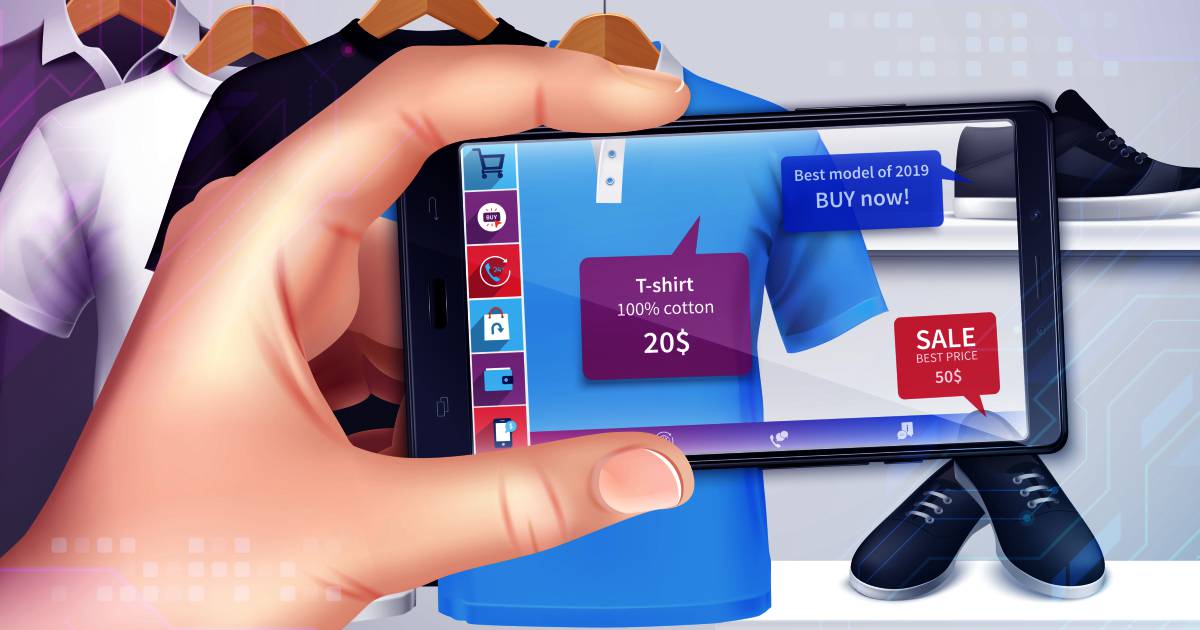
- Augmented Shopping: See reviews, prices, or promotions as you browse store shelves.
- Memory Aids: AR glasses can remind you of names or details about people you meet (with privacy-conscious opt-in features).
The challenge for consumer adoption lies in making AR glasses as unobtrusive and socially acceptable as regular eyewear. Companies are experimenting with designs that resemble stylish sunglasses (e.g., Ray-Ban Meta) or even prescription lenses, ensuring the technology doesn’t feel like a “gadget” but an extension of the user.
Challenges and Ethical Considerations
Despite their potential, AR glasses face significant hurdles—both technical and societal. Addressing these challenges will be critical to their widespread acceptance.
1. Technical Limitations
- Battery Life: Most AR glasses today last only a few hours before needing a charge. Advances in solid-state batteries or wireless charging could solve this.
- Field of View (FoV): Many consumer AR glasses offer a narrow FoV, making experiences feel like looking through a window rather than immersive. Expanding FoV without increasing device size is a key engineering challenge.
- Latency: Delays between user actions and AR responses can cause discomfort or nausea. Low-latency processing is essential.
- Environmental Adaptability: AR glasses struggle in bright sunlight or low-light conditions. Improved display brightness and contrast are needed.
2. Privacy and Security
- Surveillance Concerns: AR glasses equipped with cameras raise questions about consent in public spaces. Who owns the data they capture?
- Data Misuse: Companies could exploit AR data for targeted advertising or behavioral profiling. Strong regulations (e.g., GDPR-like frameworks) are necessary.
- Deepfakes and Misinformation: AR could be used to superimpose false information onto real-world scenes, creating “augmented lies.”
3. Social Acceptance
- Glassholes 2.0: The backlash against early Google Glass adopters (“Glassholes”) highlighted how technology can feel intrusive. Designing for discretion and social etiquette is crucial.
- Digital Divide: Will AR glasses become another luxury item, exacerbating inequality? Affordable options and subsidized programs could help bridge the gap.
- Cognitive Overload: Constant digital overlays might overwhelm users, leading to decision fatigue or dependence on technology.
Solving these issues will require collaboration between technologists, policymakers, and ethicists. For example, some companies are already implementing privacy shutters (physical covers for cameras) or on-device processing to minimize data exposure.
The Road Ahead: What’s Next for AR Glasses?
The future of AR glasses is not just about incremental improvements but revolutionary shifts in how we perceive and interact with the world. Here’s what to watch for in the coming years:
1. Mass Market Adoption
As prices drop (current models range from $300 to $3,500), AR glasses will become more accessible. Expect:
- Fashion Collaborations: Luxury brands like Gucci or Ray-Ban will partner with tech companies to create stylish AR eyewear.
- Prescription AR Glasses: Companies like Warby Parker or EssilorLuxottica are developing AR features into prescription lenses.
- Subscription Models: Users might pay monthly for premium AR features, similar to smartphone plans.
2. AI Integration
Artificial intelligence will make AR glasses smarter and more personalized:
- Context-Aware Assistants: Glasses will proactively suggest actions (e.g., “You’re late for your meeting—here’s the fastest route”).
- Real-Time Translation: Conversations in foreign languages will be translated instantly, with lip movements synced to the translated speech.
- Emotion Recognition: AR glasses might analyze facial expressions and suggest responses in social interactions.
3. Spatial Computing
The Apple Vision Pro is just the beginning of a shift toward spatial computing—where digital and physical spaces merge seamlessly. Future AR glasses will:
- Enable Multi-User AR: Friends or colleagues can share the same AR experience in real time, even if they’re miles apart.
- Support Mixed Reality: Switch between AR (digital overlays) and VR (fully immersive) modes for gaming, work, or socializing.
- Integrate with IoT: Control smart home devices, cars, or even drones with gestures or voice commands.
4. Health and Wellness Features
AR glasses could become tools for monitoring and improving well-being:
- Vision Correction: Adaptive lenses that dynamically adjust prescriptions for nearsightedness or farsightedness.
- Stress and Fatigue Detection: Use eye-tracking and biometrics to alert users when they need a break.
- Augmented Meditation: Guided breathing exercises with visual feedback overlaid on the user’s environment.
5. Regulatory and Ethical Frameworks
Governments and organizations will need to establish guidelines for:
- Data Ownership: Who controls the data collected by AR glasses—the user, the company, or a third party?
- Public Use Policies: Should AR glasses be banned in certain spaces (e.g., bathrooms, private property)?
- Content Moderation: How will AR experiences be filtered for safety, especially for children?
How to Choose the Right AR Glasses Today
With so many options emerging, selecting the right AR glasses depends on your needs, budget, and priorities. Here’s a quick guide to help you decide:
For Enterprise and Productivity
If you’re a professional looking to boost efficiency:
- Microsoft HoloLens 2: Best for industrial and healthcare applications; offers advanced holographic computing.
- Magic Leap 2: Lightweight and comfortable for extended use in training or design.
- Vuzix M4000: Rugged and suitable for logistics or field service work.
For Consumers and Lifestyle
If you want AR glasses for everyday use or entertainment:
- Ray-Ban Meta Smart Glasses: Stylish, lightweight, and great for photos, music, and notifications.
- XReal Air 2: Affordable AR glasses with a wide field of view for gaming and media.
- Lenovo ThinkReality A3: Designed for business but adaptable for personal use with its modular design.
For Tech Enthusiasts and Developers
If you’re interested in cutting-edge features or building AR apps:
- Apple Vision Pro: The most advanced spatial computer, though primarily a headset rather than glasses.
- Meta Quest 3: Not glasses, but a powerful AR/VR headset with mixed-reality capabilities.
- Nreal Light: Offers AR overlays with a sleek design, ideal for developers.
Key Features to Consider
- Display Quality: Look for high resolution (1280×720 or better) and a wide field of view (at least 50 degrees).
- Battery Life: Aim for at least 4–6 hours of mixed use; consider glasses with swappable batteries.
- Connectivity: Ensure compatibility with your smartphone (iOS/Android) and supports Wi-Fi 6/6E.
- Comfort and Fit: Try on glasses before buying; look for adjustable nose pads and lightweight materials.
- App Ecosystem: Check if the glasses support third-party apps (e.g., games, productivity tools) or have an SDK for developers.
Remember, the “best” AR glasses today might be outdated in a year. The market is evolving rapidly, so consider whether the device aligns with your long-term needs—and whether the company has a track record of updates and support.
Final Thoughts: Are AR Glasses the Next Big Thing?
Augmented reality glasses are more than a futuristic gadget—they represent a fundamental shift in how we interact with information and the world. While challenges like privacy, social acceptance, and technical limitations remain, the progress is undeniable. From revolutionizing industries to enhancing everyday life, AR glasses have the potential to become as ubiquitous as smartphones.
The question isn’t *if* AR glasses will become mainstream, but *when*. With tech giants like Apple, Meta, and Microsoft investing heavily, and fashion brands like Ray-Ban and Gucci entering the space, the technology is inching closer to mass adoption. The key will be balancing innovation with responsibility—ensuring that AR glasses enhance human experiences without compromising privacy, safety, or well-being.
For now, AR glasses are a glimpse into the future: a future where the line between the digital and physical blurs, where information is always at your fingertips (literally), and where the world around you becomes a canvas for endless possibilities. Whether you’re a professional, a gamer, or simply curious, the time to explore AR glasses is now. The future of vision isn’t just coming—it’s already here, waiting to be seen.